What It Feels Like to Ride Passo Giau — Before the Giro Arrives
29.05 - 30.06.26
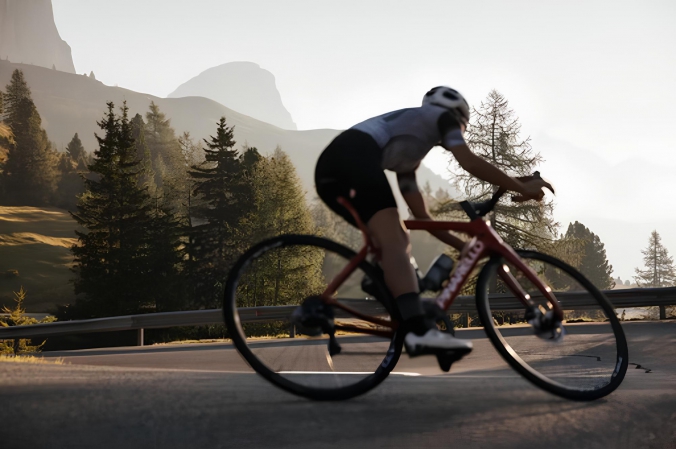
There is a particular silence on Passo Giau in the early morning.
Not the silence of emptiness — the Dolomites are never truly empty. But the silence of a road that has not yet been asked anything of anyone that day. The tarmac is cold. The light is low and sharp. The rock towers above you are still half in shadow.
This is when you want to be here.
The Climb
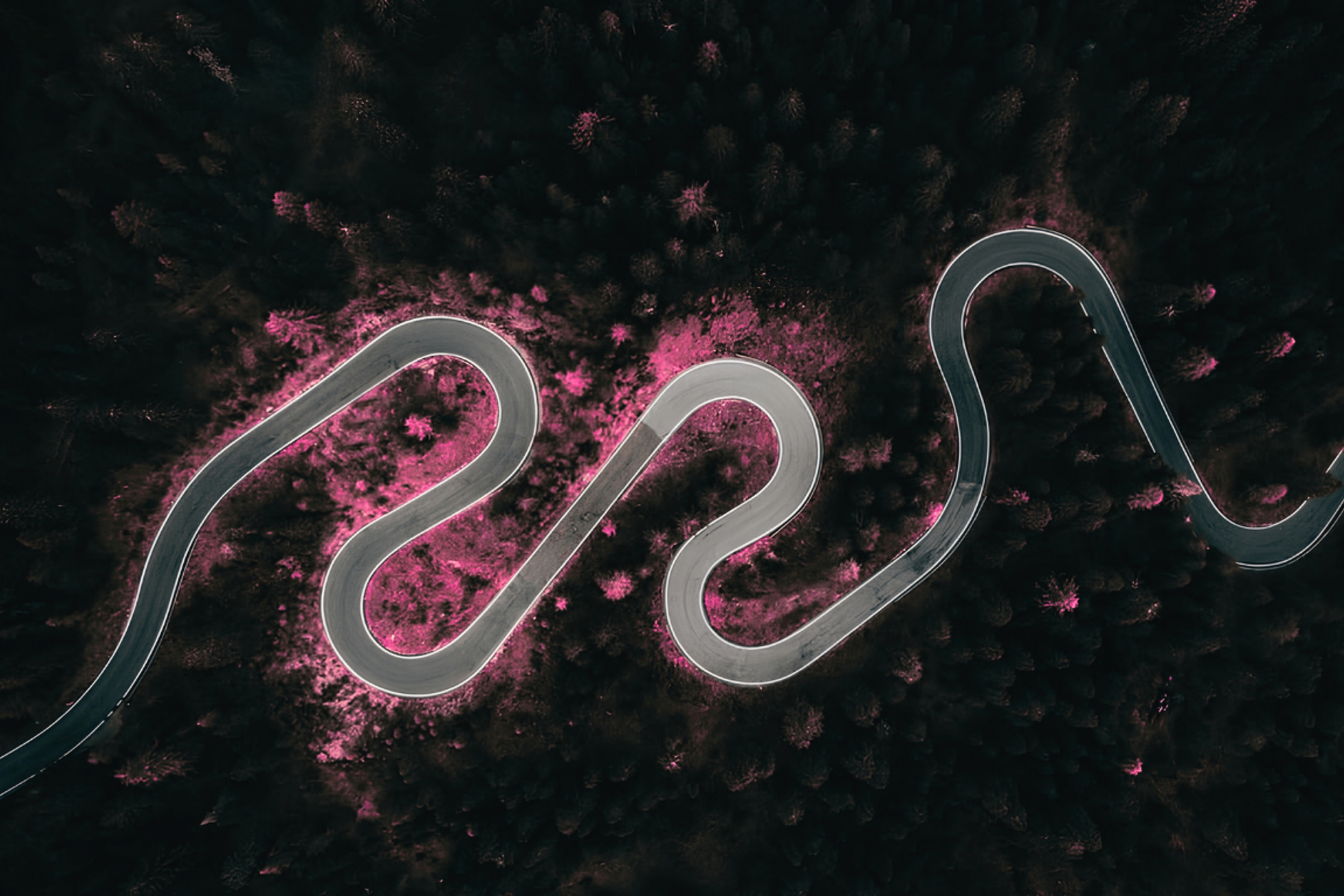
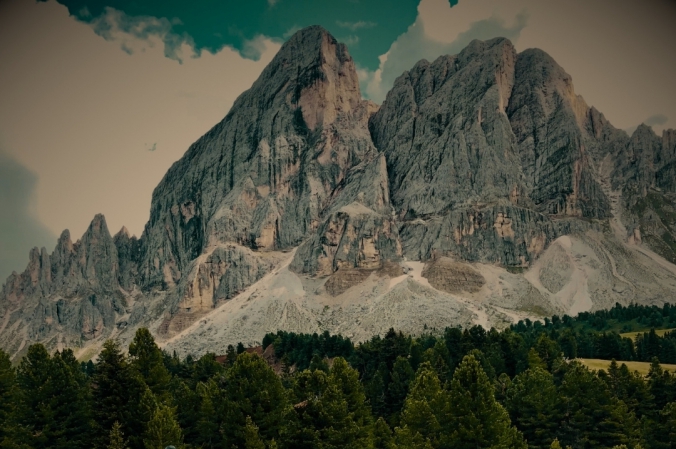
Passo Giau rises to 2,236 metres — the highest point of the 2026 Giro d'Italia, and one of the most demanding climbs in the Alps. From Colle Santa Lucia, the road gives you almost nothing for free: 9.9 kilometres at an average gradient of 9.3%, with the first section hitting 14% before you have found your rhythm.
There is no gentle introduction. The pass asks you immediately what you have brought with you.
What you bring back is different.
The gradient forces a particular kind of focus — the kind that empties everything else. After the first few kilometres, there is no thinking about pace or power or what comes after. There is only the road in front of you, the rock above you, and the sound of your own breathing.
This is what serious cyclists come to the Dolomites for. Not the suffering — though the suffering is real. The clarity.
The View That Changes Everything
At around 7 kilometres, the road breaks out above the treeline.
What opens in front of you — the open alpine meadows, the Croda da Lago rising to the left, the Ra Gusela behind you, the Civetta in the distance — is the view that has made Passo Giau one of the most photographed climbs in the world. The Giro d'Italia has used it as a symbol of the entire race. It earns that status every time.
The final two kilometres feel different once you can see the top. The gradient does not ease — but something in you does.
Passo Falzarego: The Road With Memory
From the descent of Giau, the road leads inevitably toward Passo Falzarego.
At 2,105 metres, Falzarego is a different kind of climb — longer, more gradual, more open. The approach from Cortina d'Ampezzo is 16 kilometres of consistent effort, the kind of climbing that settles into a rhythm and stays there. The surrounding peaks carry the weight of history: this landscape was the front line of the First World War, and the fortifications and craters are still visible above the road.
Riding here is never just about the cycling. It never is in the Dolomites.
The top of Falzarego opens onto one of the most extraordinary panoramas in the Alps — the Tofane, the Lagazuoi, the road disappearing toward Alta Badia. On a clear morning, you can see for sixty kilometres in every direction.
Today, the Giro Arrives
Stage 19 of the 2026 Giro d'Italia crosses both passes today — Passo Giau as the Cima Coppi, the highest point of the entire race, and Falzarego shortly after. The best cyclists in the world will ride these roads this afternoon at speeds that seem impossible given the gradients.
We rode them this morning, before the race arrived.
The roads were quiet. The light was extraordinary. The silence was still there.
This is what we do at Bike Tour Evolution — we find these roads before the world arrives. We ride them when they belong only to you.
Ride Passo Giau and Passo Falzarego With Us
If these climbs are on your list — and for any serious cyclist, they should be — we build our Dolomites tours around them. Private departures, expert guides, and the kind of logistical support that means the only thing you need to think about is the road.
Select departures include riding with Daniele Bennati — who knows these passes the way only a Grand Tour professional can.